Why Sound Matters to Me (and How It Calms the Nervous System)
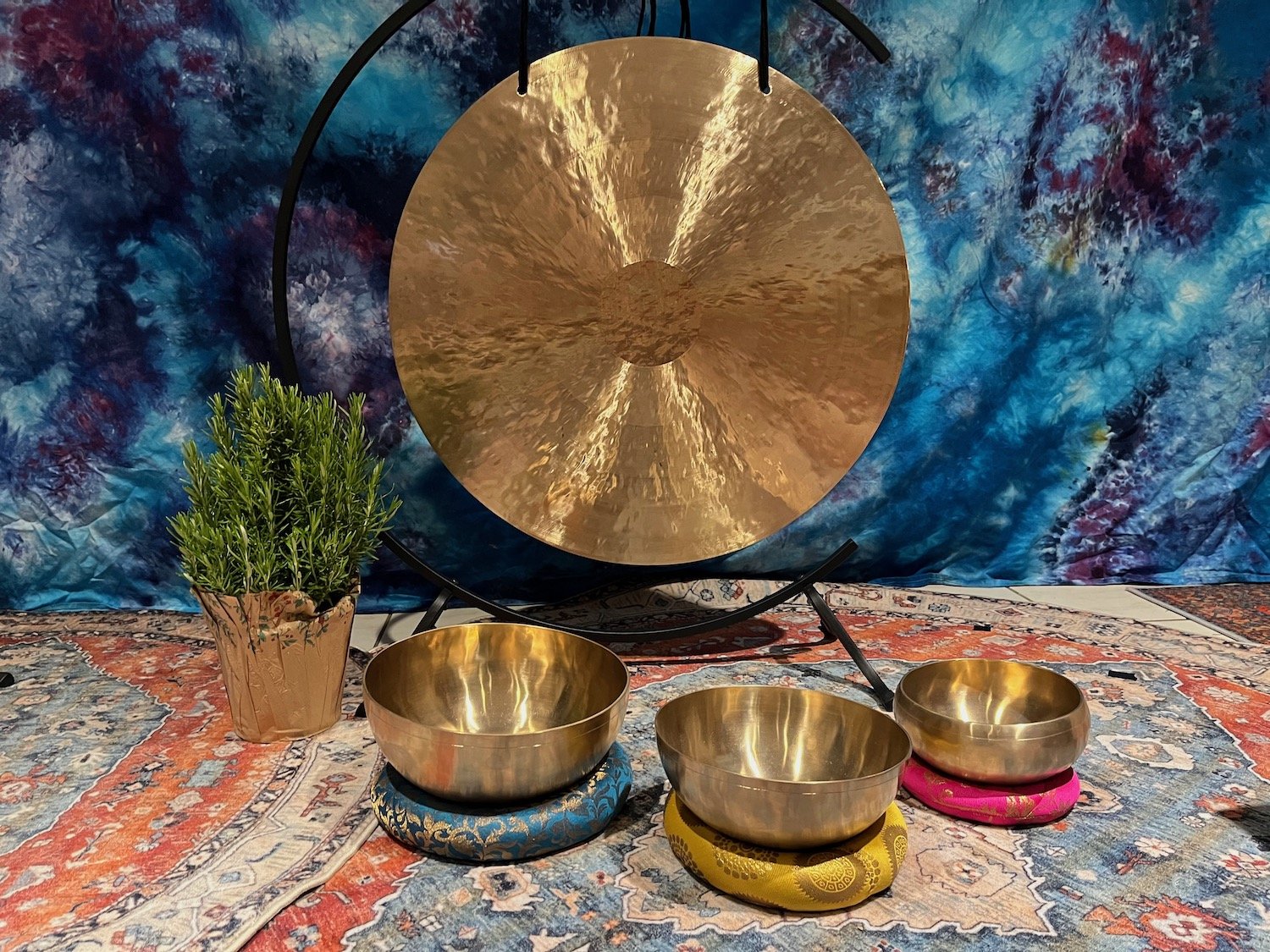
Sound has been a steady guide for me throughout my life. Long before I knew what “sound healing” was, I knew the feeling of being soothed by rhythm and vibration. When life gets chaotic and my mind starts spinning, I reach for sound. Sometimes it's drumming for five or ten minutes. Sometimes it's chanting. Sometimes it's simply letting a resonance wash over me from a crystal bowl or a gong. What sound does for me is simple but profound: it interrupts the mental noise. It gives my nervous system something steady to follow. It brings me into the present moment.
This isn’t just a personal preference. It’s how our bodies work.
Sound is vibration, and vibration is energy in motion. These vibrations move through air, water, and matter including the tissues of our bodies. Our brains and nervous systems are constantly responding to rhythm and frequency whether we are conscious of it or not. And for thousands of years humans have understood this through drumming, chanting, singing, ritual, and community music. The voice is our original instrument. Rhythm is one of our oldest tools for emotional regulation.
What modern science is now confirming is what our ancestors intuitively knew. Sound has the ability to influence our physiological state through a few key mechanisms:
1. Rhythm regulates.
Steady, predictable rhythm activates the parasympathetic nervous system. Drumming at a moderate tempo has been shown to lower stress hormones, support emotional regulation, and create synchrony in the brain that resembles meditative states.
2. Pure tones slow brainwaves.
Sustained tones like those from crystal bowls and gongs can help shift brainwave patterns from active beta states into alpha or theta states which are associated with relaxation, creativity, and deep rest.
3. Vibrations entrain the body.
Entrainment is the natural tendency of one rhythmic system to align with another. Our hearts, breath, and even cellular processes respond to external rhythm. This is why pacing your breath to a chant or drumming pattern can almost immediately settle agitation.
4. Sound changes our internal chemistry.
Studies show reductions in cortisol, improved heart rate variability, and increased markers of relaxation following sound-based interventions including chanting, drumming, and singing bowls.
For me, sound is often the bridge into mindfulness. When my thoughts are scattered or ruminating, sitting in silence might not work at first. I can feel powerless over the momentum of my mind. In those moments I turn to sound as an entry point. Drumming clears the noise. Chanting grounds me. A single resonant tone helps the mind loosen its grip. Once my nervous system is more settled, silence becomes a place I can enter instead of a place that overwhelms me.
Sound and silence work together. Sound opens the door. Silence lets me walk through.
Both remind me that I can return to agency and choice even when my mind feels chaotic. They help me come back to the present moment where clarity, compassion, and better decisions are possible.
Sound healing, at its core, isn’t magic. It’s physiology. It’s physics. And it’s the ancient wisdom of human beings using rhythm and voice to soothe themselves and each other. It’s a reminder that peace isn’t something we force. It’s something we tune into.